
Vancouver Basketball: Coaches Corner
Author: Doug Plumb
Coach Doug Plumb is the Lead On-Court Instructor for Academy Basketball, Inc. He has worked with high level athletes ranging from the NBA to youth basketball all across the world. In High School, he was an All-State selection and an honorable mention McDonald’s All-American. He is a former NCAA athlete and CIS All Canadian at the University of British Columbia, where he studied Psychology. Following his successful collegiate career, Coach Plumb played multiple seasons playing at the professional level overseas where he was exposed to a multitude of coaching styles from across the world. He has coached professionally and won an NBLC Championship with the London Lightning. He currently is the lead assistant coach with the St. John’s Edge of the NBLC.
Please join us in welcoming him and his feedback for players all across our province and country.
Class is in session.
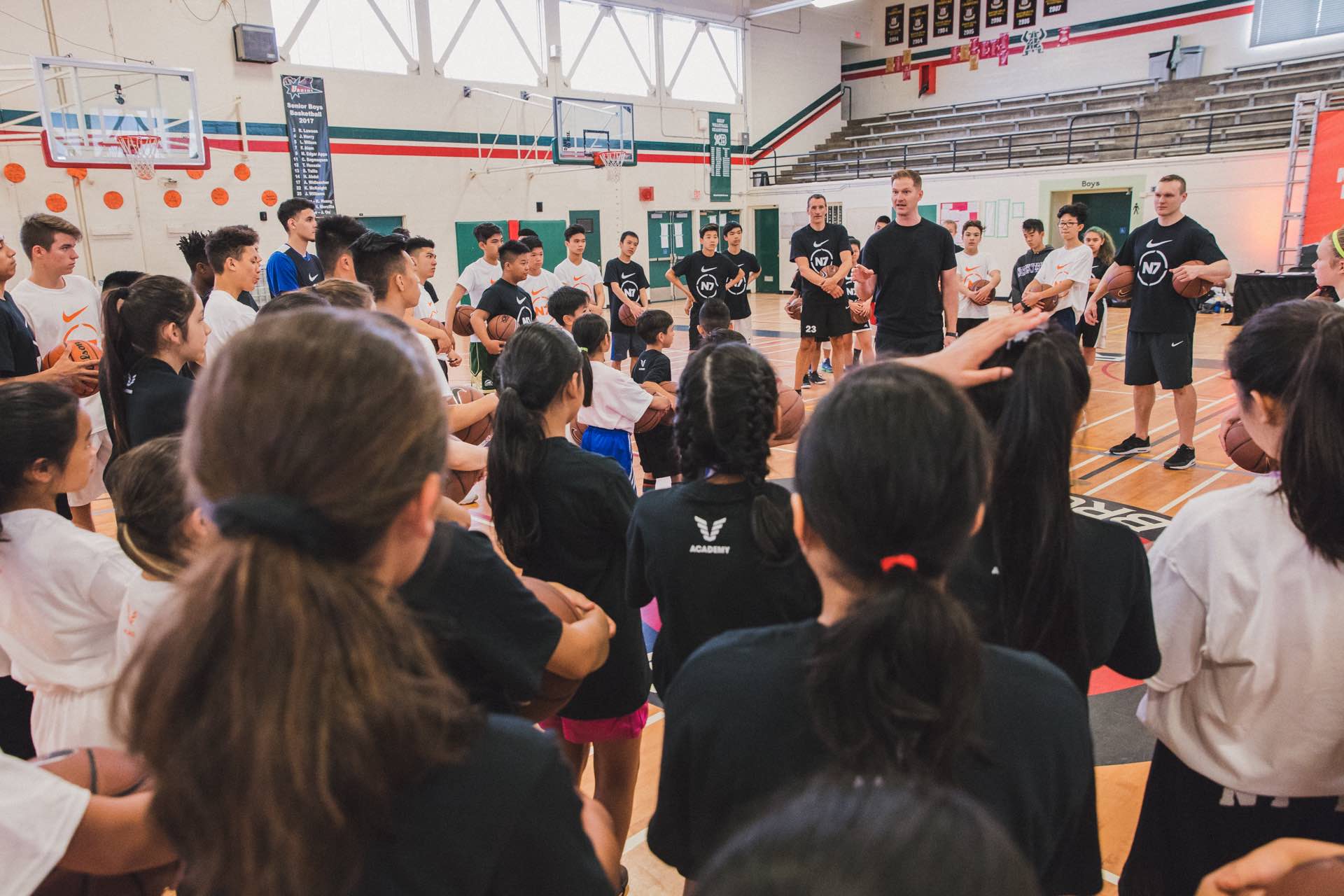
Benefits of 3 on 3 for Youth Basketball
Interest in basketball in our country is at a historic high - in some parts of the country it actually rivals hockey believe it or not. Kids are playing more than ever, starting earlier and the talent that is coming out of the country is undeniable. All great things. However, I think we can do even better and I believe part of the answer lies in 3 on 3 basketball at the youth level.
1. More touches: At the youth level there is always one kid on each team who has the ability to dribble and has speed far greater than his teammates. They inevitably get the basketball - dribble 47 times through the amoeba group of players and sprint to the other end and shoot a layup. Sure, this is great that little "Jonhny" or "Suzie" gets to dazzle a crowd of grandparents for 10 layups a game but is this good for them or their teammates? I say no.
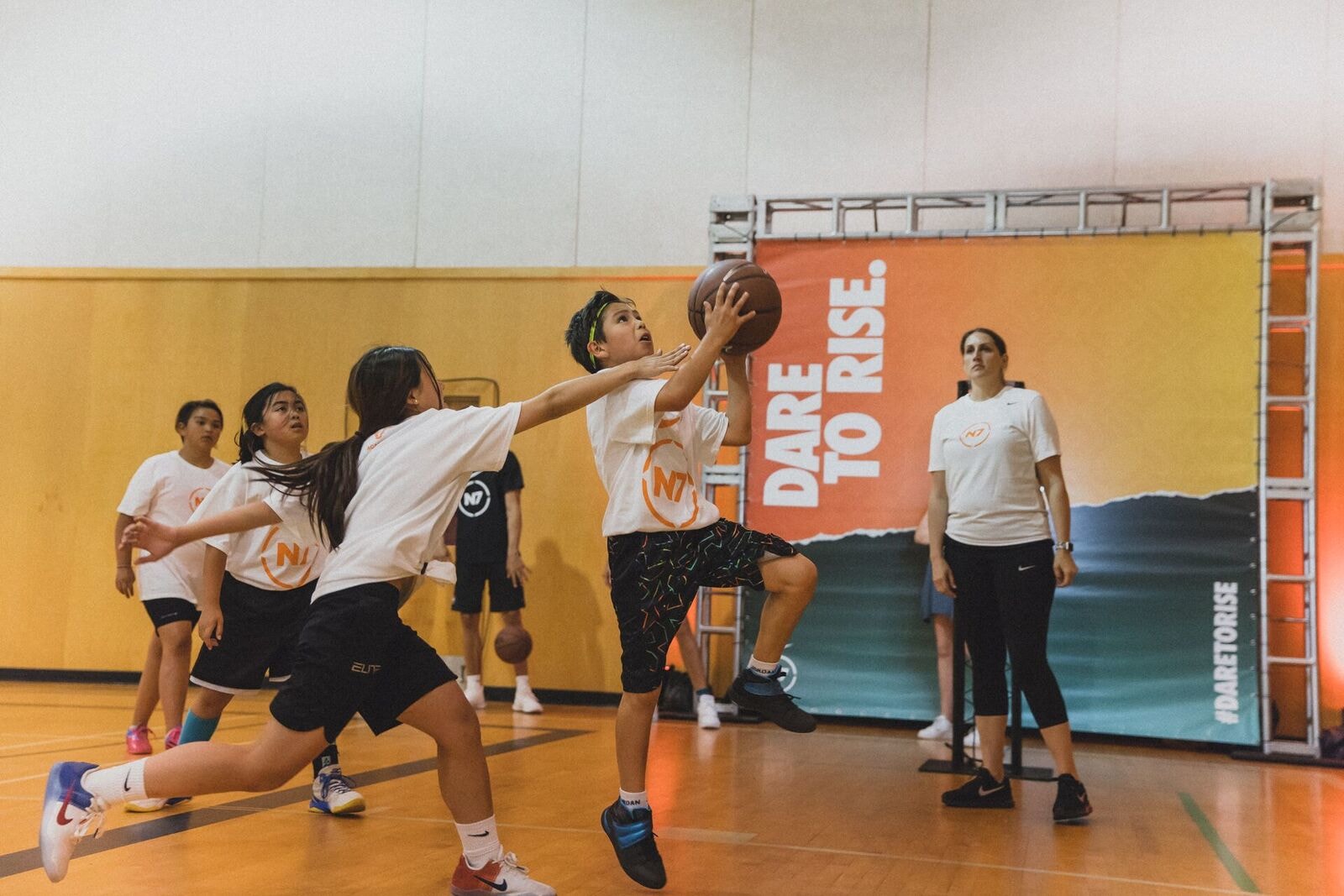
3 on 3 forces young players who dominate the ball to pass and learn to cut without the basketball, it also increases the number of touches for the kid who doesn’t see the ball in a full court game because they aren’t the fastest on the floor. There have been studies on 3 on 3 vs 5 on 5 and most agree that in 3 on 3 players are approximately three times more likely to touch the ball than in 5 on 5.
This is a good thing for all players involved. Players who are more developed at a younger age learn a true concept of the team nature of the game and how the basketball should move and undeveloped players get to touch the basketball more. Not only does this help them to actually grasp the concepts which are being applied, it also helps confidence and keeps kids engaged in the game.
2.Spacing: The more space the better at the youth level. Players don’t yet have the motor skills to change directions or control passes in finite amounts of space without constantly turning the ball over. Players can gradually improve on sharpening their motor movements and work towards operating in the decreased amount of space that comes with 5 on 5, while getting more touches to help expedite that learning curve.
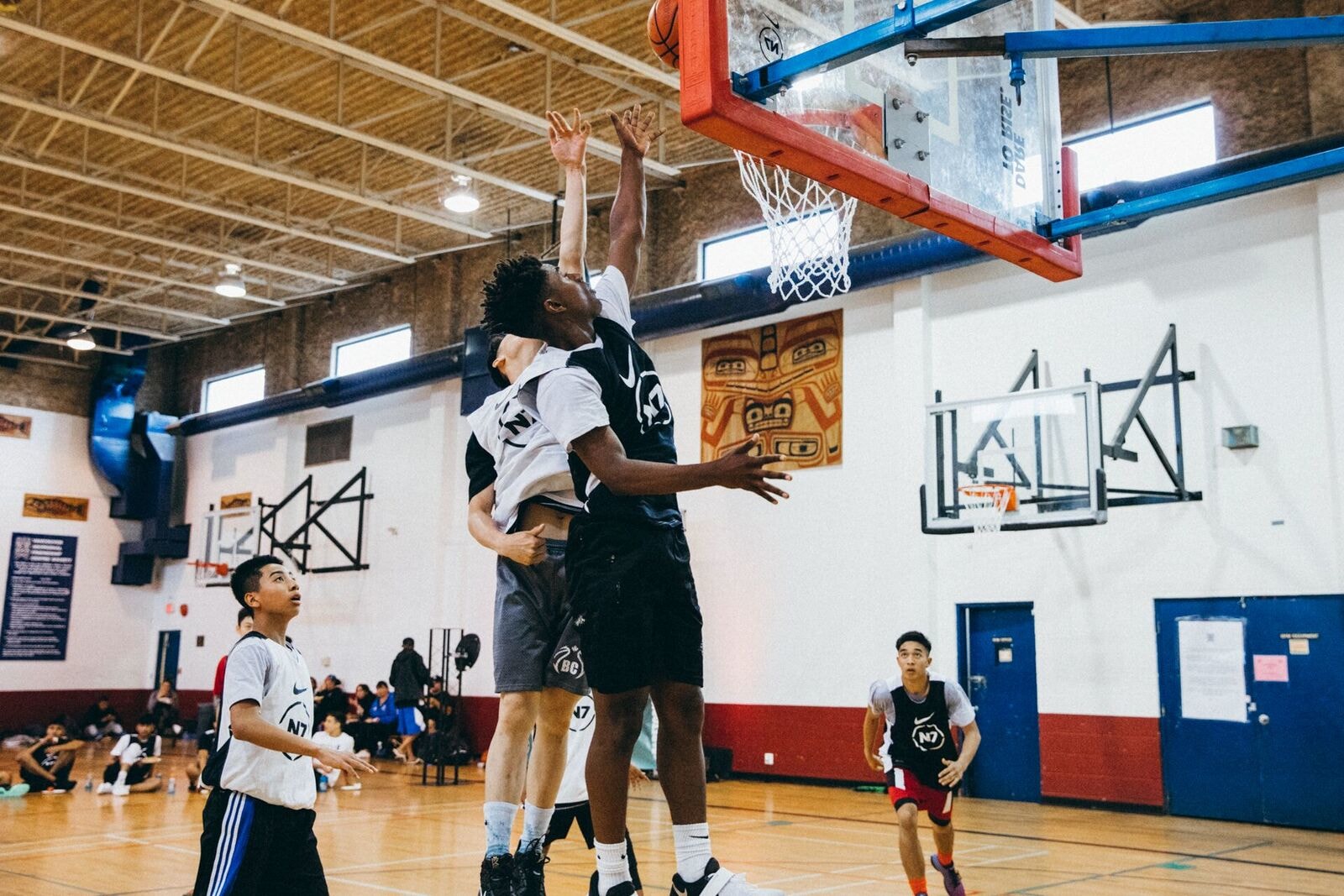
3. Learning the game: The majority of youth basketball is a game filled with transition buckets being exchanged and turnovers happening in the open court. As players mature this part of the game drastically decreases and there is a premium put on ‘understanding how to play’. In a half court 3 on 3 setting, it is much easier to teach players concepts like a pick and roll or a pin down screen etc. than in the full court. Possessions are shorter and the likelihood of getting good shots in much higher with less players on the floor.
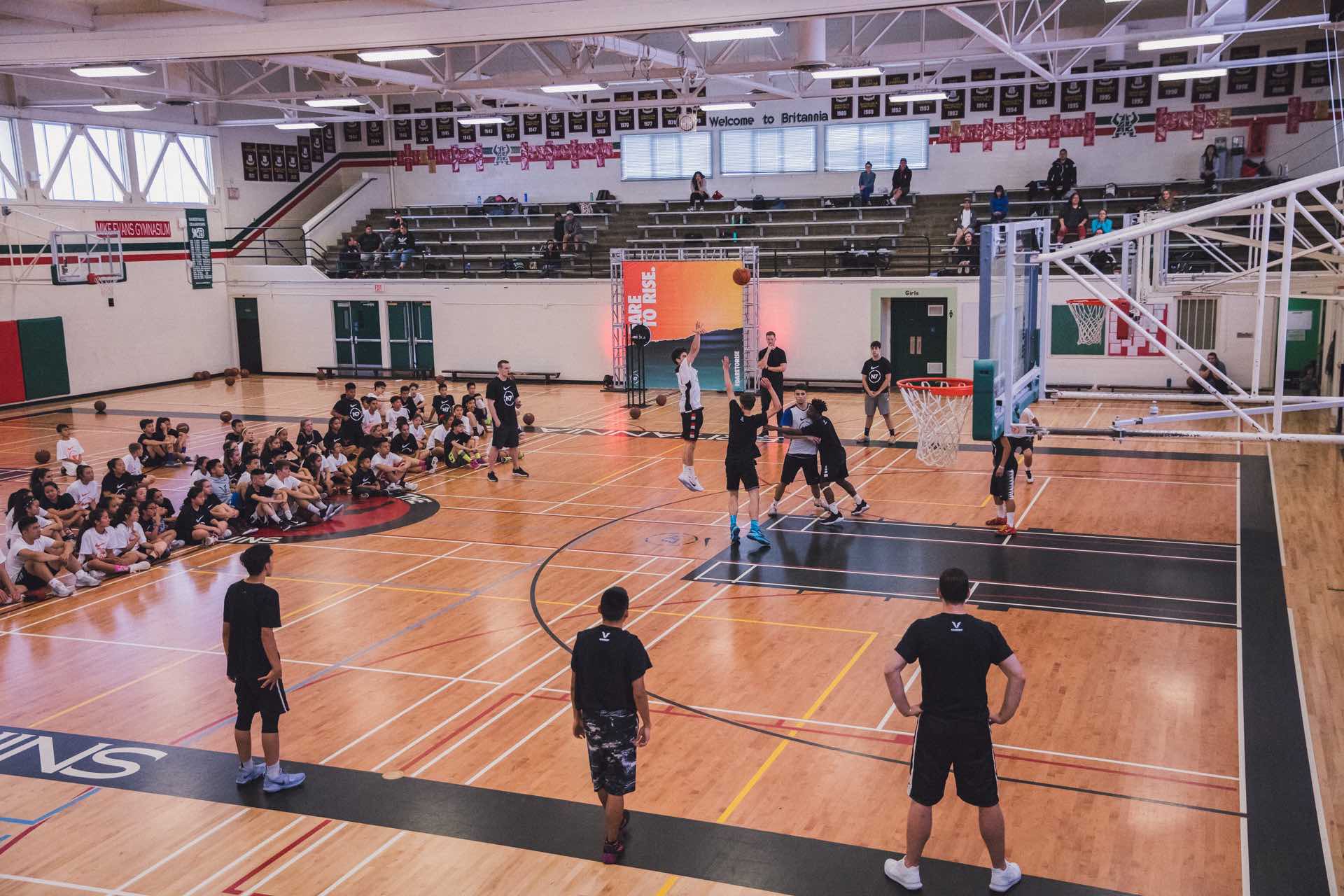
4. Problem Solving/ Basketball IQ: This goes hand in hand with learning the game. The game is so overreached at the youth level. Players don’t need to learn how to run ‘plays’ so much as they need to learn how to make reads, and intelligent reads at that. 3 on 3 allows for players to figure out scenarios for themselves and get a feel for what works and what doesn’t on their own - without a coach telling them exactly what to do or drawing up a play. There is nothing more valuable that real game experience and allowing players to learn without the pressure of perceived failure or pressure in their minds.
“Tricky plays don’t win games, Tricky players to’ - Kevin Hanson, UBC Men’s Basketball
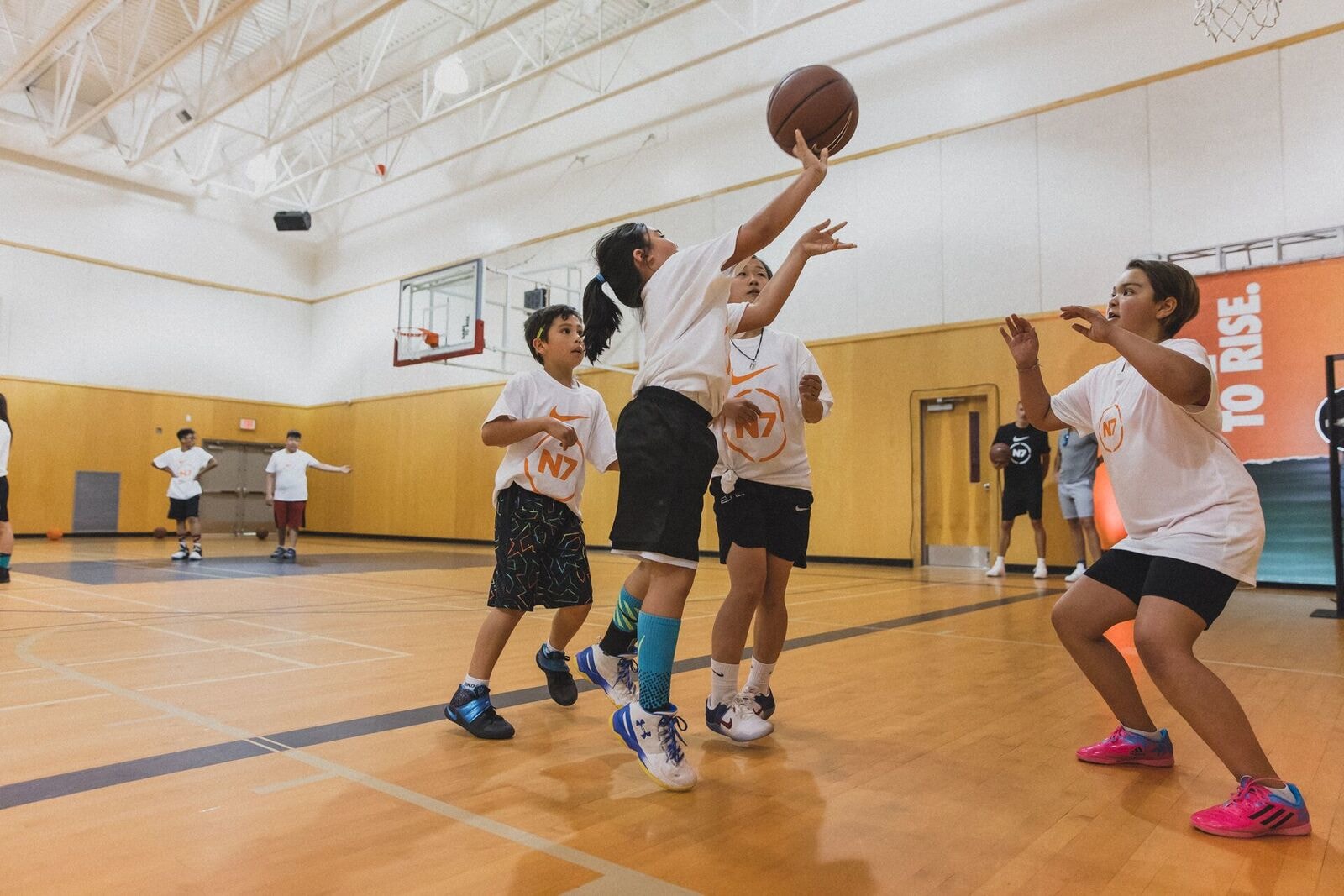
5. No Pressing / Zone / JUNK: When I watch youth basketball and I see AAU coaches jumping around like maniacs on the sideline getting their players to run zone defence it makes me want to tell them to walk the plank.
Sure you want to win - everyone wants to win. But what exactly are we trying to win with 9 year olds? Are you trying to win the game? A game which is probably played in a gym with 8 people watching - or are you trying to teach the game and give players the tools to become successful as they mature.
I don’t know if I have ever seen a 9 year old can shoot the basketball from the 3 point line with proper form let alone the free-throw line. 3 on 3 eliminates this and allows the kids to not only have fun but encourages true movement on offence and sound defensive principles of accountability / containing dribble penetration while still having a help defender or two to keep the game true.
3 on 3 is not only an Olympic Sport, now but it is something we should absolutely rely on to teach the game efficiently at the youth level. It is a win-win from every angle.


COMMUNITY


